AI Dubbing vs Human Actors: Can Artificial Intelligence Replace Voice Actors?
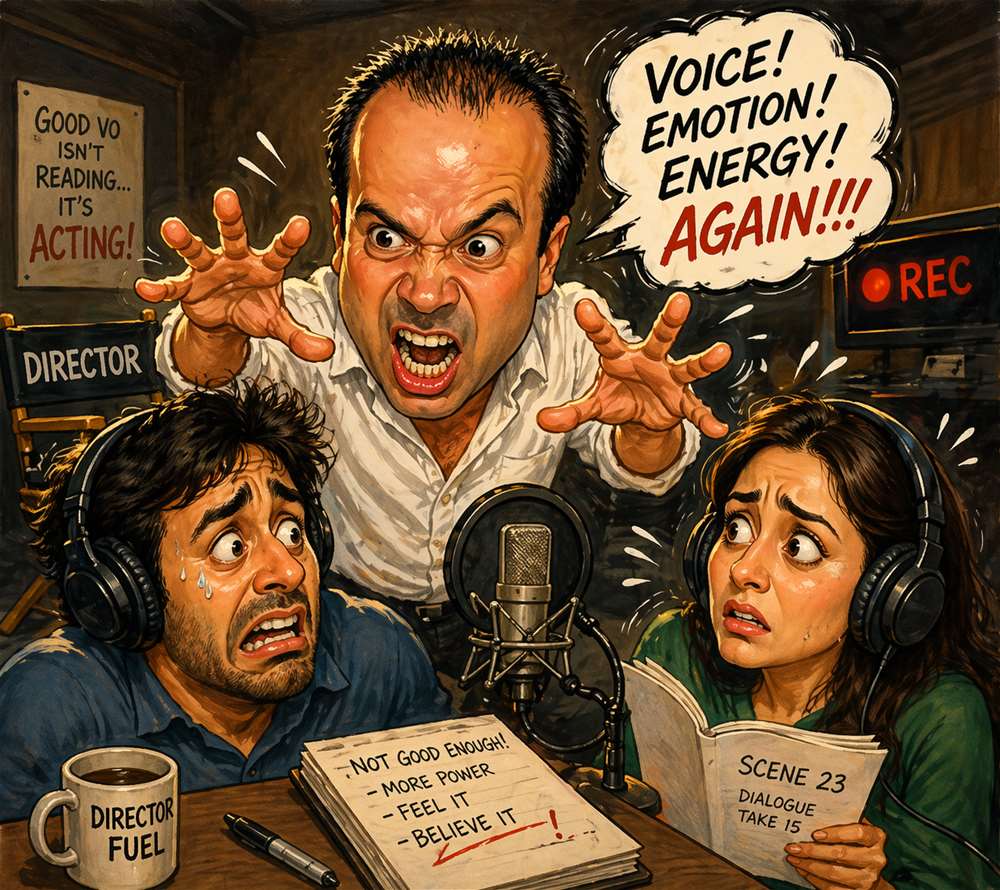
ألدبلجة بواسطة ال AI مقابل الدبلجة بأصوات ممثلين محترفين.
مع كل تطور جديد في الذكاء الاصطناعي، يطرح السؤال نفسه: هل أصبح بإمكان ال AI أن يحل مكان الممثل في الدبلجة؟ صحيح أن الـAI قادر اليوم على تسريع الترجمة وبعض المراحل التقنية، لكن هل الدبلجة مجرد كلمات وصوت؟ أم أنها إحساس وأداء وتمثيل؟ فالمشاهد لا يتعلق بشخصية بسبب الصوت فقط بل بسبب صدق المشاعر والأحاسيس، الشيء الذي لا يمكن استبداله بصوت آليّ. وهنا يأتي دور الممثل والمخرج؛ أحدهما يعيش الشخصية، والآخر يقوده لاكتشاف أدق تفاصيلها . قد تستطيع الآلة تقليد نبرة الغضب أو الحزن، لكن هل تفهم فعلًا ما الذي يجعلنا نصدق هذا الغضب أو نتأثر بذلك الحزن؟ وربما السؤال الأهم: لو أُعيدت دبلجة أعمالنا المفضلة بالكامل بالذكاء الاصطناعي، هل كانت ستبقى عالقة في ذاكرتنا كما هي اليوم؟ التكنولوجيا تتطور بسرعة، لكن الفرق كبير بين إنتاج صوت... وصناعة أداء.
بلفاي ستديوز.
With every new development in artificial intelligence, the same question arises: Has AI now become capable of replacing the actor in dubbing?
It is true that AI is now capable of speeding up translation and some of the technical stages, but is dubbing simply about words and voice? Or is it about emotion, performance, and acting?
A viewer does not become attached to a character because of the voice alone, but because of the authenticity of the emotions and feelings—something that cannot be replaced by an artificial voice.
And this is where the role of the actor and the director comes in: one lives the character, while the other guides them in discovering its finest details.
A machine may be able to imitate the tone of anger or sadness, but does it truly understand what makes us believe that anger or feel moved by that sadness?
Perhaps the most important question is this: If our favorite productions were completely redubbed using artificial intelligence, would they remain as deeply embedded in our memories as they are today?
Technology is evolving rapidly, but there is a significant difference between producing a voice... and creating a performance.
BELFAY STUDIOS